|
|
Header Text Maintaining a Safe and Intelligent Infrastructure
A safe, reliable, and more intelligent infrastructure is critical to match a new abundant supply with growing demand and maintain the public’s confidence in the nation’s natural gas delivery system.
Column One GTI’s focus is on technology and information development geared toward improving integrity management, reducing risk, preventing damage, and enhancing operational efficiency.
Key Initiatives
Key Initiative Helping operators meet pipeline and distribution integrity management requirementsGTI is driving a number of initiatives to assist operators in complying with regulations and reducing risk. See Managing Infrastructure Integrity for more details on how we are creating actionable knowledge to help the industry make informed decisions on risk management, resource deployment, and mitigation measures. Key Initiative Maximizing critical infrastructure performance with probabilistic methods To enhance the level of understanding of threats to infrastructure and allow operators to predict asset performance, calculate system risk, and maximize safety, research on potential threats and development of probabilistic models is needed to ensure that the current body of knowledge is leveraged and transferred into a useful set of tools.
GTI is using advanced modeling and analysis tools to meet this need. A dedicated team is building, organizing, and maintaining applications that combine sound science with applied models to drive informed decision making. The focus is on better integration of field data and risk assessment methods to provide better results. GTI is working with key stakeholders in helping to support integration of these results into industry guidelines, standards, and regulations.
Read More Key Initiative Assisting operators in selecting the most appropriate inspection technology GTI is creating a software tool to assist the pipeline industry in developing a strategic plan for developing and selecting inspection technologies. This inspection technology selection tool (in the form of a relational database) will assist operators in selecting the most appropriate inspection technology for a specific pipe segment to address the unique threats based on the pipe’s vintage, known material properties, and construction techniques. The industry will also be able to quantify the potential market for new inspection technologies based on the gaps identified by the software tool.
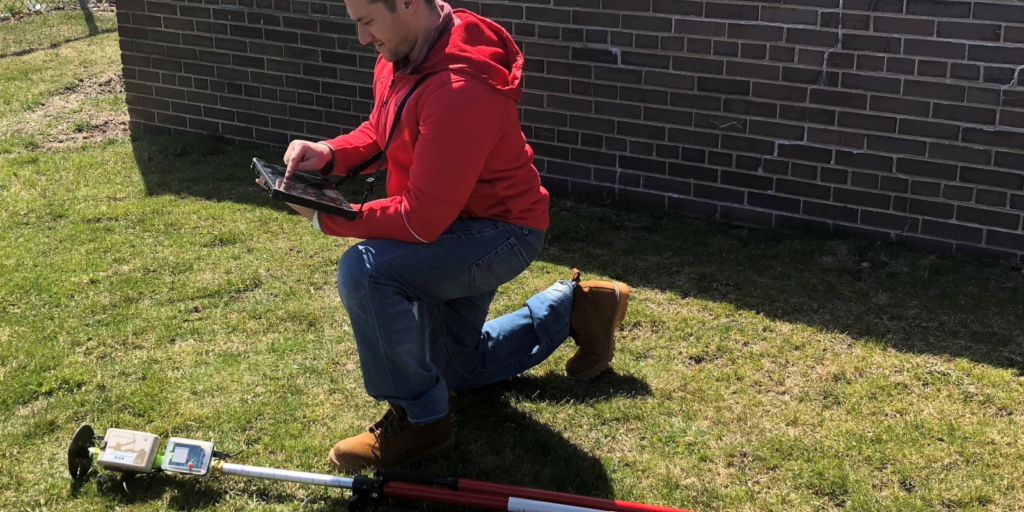
The tool will combine the results of two current research projects to provide a method to optimize the use of integrity management resources. It will recommend the use of inspection technologies based on their ability to detect defects and threats most likely to occur on specific pipe segments based on mill and construction practices and other material and environmental characteristics. The tool will identify pipe configurations and threats that current technologies cannot address, thereby optimizing new technology development and allowing the industry to focus R&D efforts toward the highest priority applications. Key Initiative Validating technologies that can provide an alternative to hydro-test inspectionGTI’s hydro-testing alternatives program will identify and ultimately validate technologies that can provide an inspection that is equivalent to, or superior than, a hydro-test. The first phase of this program will characterize and quantify pipe that has not been subjected to a construction hydro-test to allow the selection of inspection technologies that could provide an assessment that regulators accept as equivalent to a hydro-test. The second phase of the program will perform validation studies of inspection tools to demonstrate their hydro-test equivalence and to obtain regulatory acceptance. Key Initiative Automating field data collection with smart phones and tablets Key efforts at GTI are focused on adapting commercially available smart communications devices—such as smart phones and tablets —to automate field data collection and integrate with GIS systems. Researchers have developed and demonstrated several applications to automate the collection of regulatory compliance data for operations such as HCA field surveys, CP readings, and exposed pipe surveys. Other applications reduce excavation damage through high accuracy asset mapping and excavation monitoring.
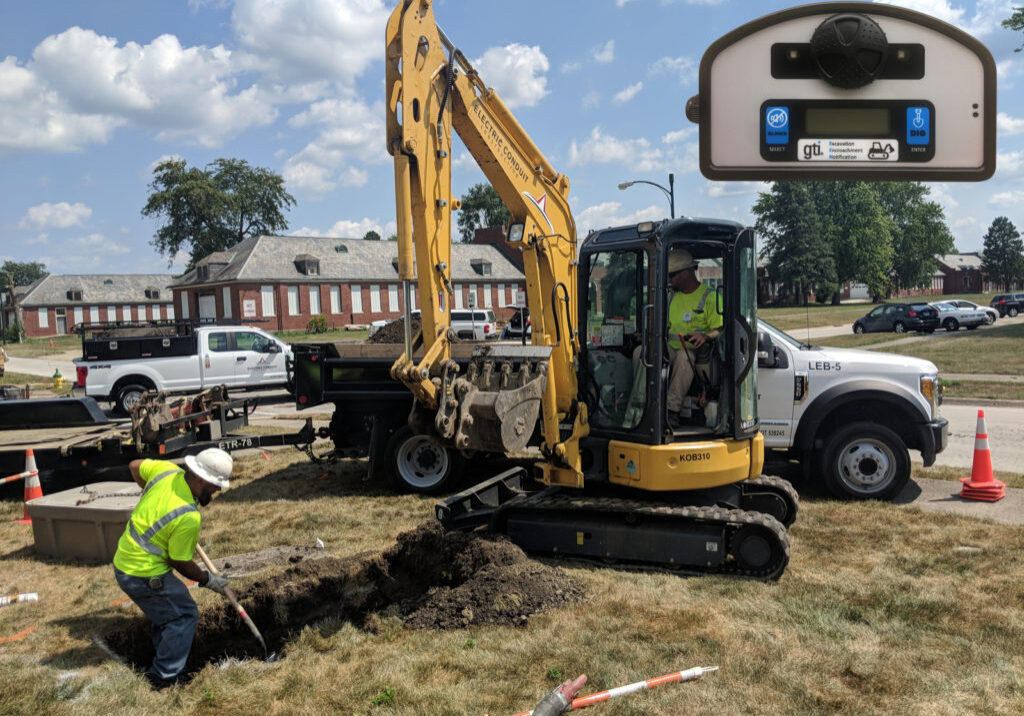
VeroTrack™ Automated Survey Tracking (AST), a software application that uses GPS to automatically associate leak survey routes with pipe segments for accurate reporting, was developed by GTI and is commercially available by Ubisense (formerly InMaps). In May 2012, Intermountain Gas Company, the first company to fully implement VeroTrack, reported a 20% efficiency gain in the field operations portion of the leak surveying process, and the overall return on investment is estimated at 33% over a 7-year period. Key Initiative Preventing excavation damage GTI developed a system that uses GPS to track excavation activity near underground assets using GPS technology. A GPS-based Excavation Encroachment Notification (EEN) system that will cross reference GPS coordinates of all digging activities with one-call tickets to identify potential excavation encroachment before it occurs was demonstrated. By integrating GPS tracking into excavation equipment, the location of digging operations can be monitored to ensure that they are not occurring outside of a valid one-call ticket or that they are not encroaching on underground facilities. In 2012, a new prototype that uses lower cost technology is being deployed in a second pilot project in New York.
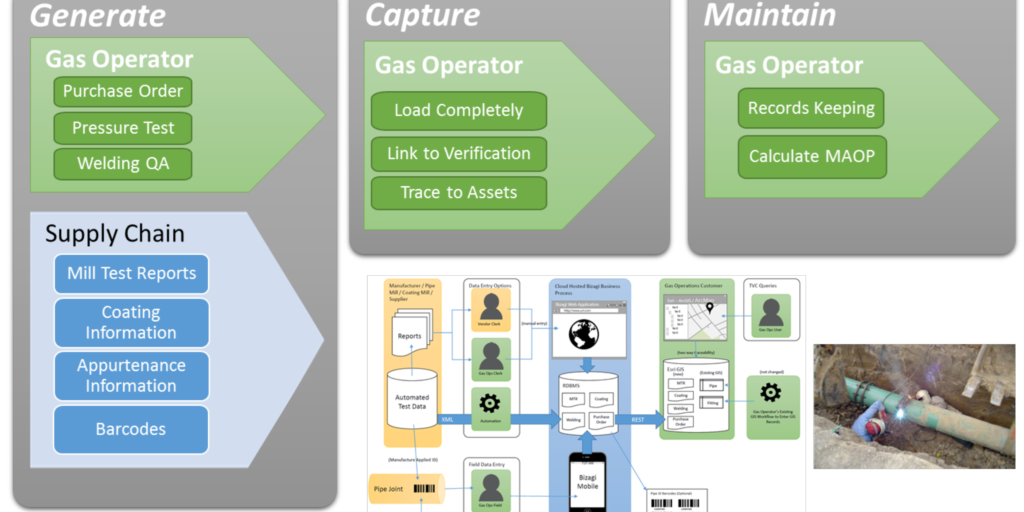
A new pipe location technology that provides accurate locations of buried pipe is licensed to Sensit Technologies. The Acoustic Pipe Locator (APL) uses a handheld acoustic transmitter and receiver to detect and locate both metallic and non-metallic pipes buried as deep as 8-10 feet. It can be universally applied for most soils and expected ground coverings such as grass, asphalt, concrete, and dirt. The technology, developed by GTI with funding support from OTD, is expected to save the industry millions of dollars by helping to reduce the potential for damage to un-located buried pipes and the resulting incidents that can create customer outages. The commercial device, UltraTrac® APL, is commercially available from Sensit Technologies. Key Initiative Developing technologies for asset tracking GTI is providing a comprehensive solution to support asset tracking and traceability of piping and appurtenances of gas distribution systems. In 2011, OTD contractors developed a unique identifier that has evolved into the new ASTM F2897-11a standard. The 16-digit alphanumeric code contains key standardized information about each specific component that utilities can collect, store, and access for their asset management programs.
To facilitate compliance with the new standard, a web-based application (www.componentid.org) was developed for registration of unique manufacturer ID numbers and is being managed by the Plastics Pipe Institute.
Ongoing efforts of the GTI research program will provide tools and practices for the industry to use in implementing the new system. GTI is demonstrating a prototype system to use barcode scanning, tablet computers, GIS-enabled software and high accuracy GPS to automate the process of collecting new installation data, including specific asset attributes. Key Initiative Assessing and implementing new materials for replacement and rehabilitation of piping systemsPolyamide 11 and 12 (PA11 and 12), thermoplastic materials, are excellent alternatives to steel pipe in high-pressure applications up to 250 psig. It is easier to install than steel and eliminates the need for costly long-term corrosion control measures.
Two 2010 field trials coordinated by GTI—at Energy West in Montana and Atmos Energy in Mississippi—demonstrated the benefits of PA12 piping for two very different applications. At Energy West, PA12 piping was installed to run new high-pressure gas lines in order to provide gas service to a new area. Several 1” PA12 gas services were also installed using electrofusion fittings.
The Atmos Energy installation was designed to demonstrate the benefits of using PA12 piping for the rehabilitation of older high-pressure steel lines. These installations helped to advance the adoption of plastic piping systems by validating the use of PA12 at higher operating pressures (increasing 125 psi to 250 psig) and helping to change federal code (49 CFR Part 192) to allow the permanent use of PA12 piping systems.
Under sponsorship of OTD, GTI is also looking at ways to rehabilitate transmission, distribution and gathering lines with composite materials and cured-in-place liners. Research has provided operators with a product selection guide to help determine the best option for a specific application. The guide includes currently available reinforced thermoplastic pipe (RTP) products and compares composite/RTP piping products with each other as well as with other steel replacement options.GTI has also collected data to help pipeline operators select a composite pipeline repair system based on its ability to restore serviceability of damaged pipe. Based on testing full-scale sections of pipes with composites and evaluating the long-term performance of their associated adhesives, their use as allowed by CFR 29 Part 192 codes is justified.
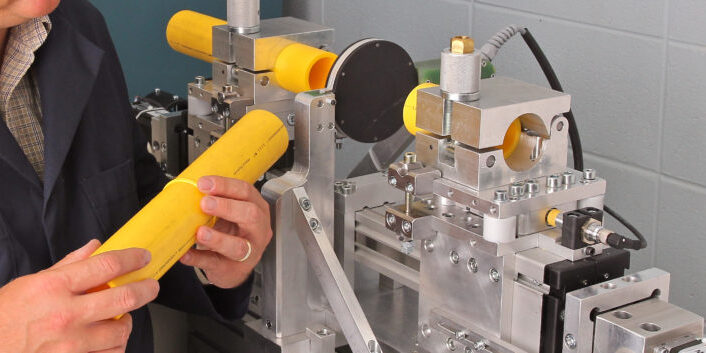
In late 2012, OTD is soliciting operators interested in trenchless rehabilitation techniques for aging infrastructure, including the use of cured-in-place lining to rehabilitate cast iron mains and using composite piping systems to rehabilitate steel distribution and transmission mains. Key Initiative Leading the research, development, and testing of technologies related to plastic piping systems For nearly 60 years, GTI has been providing expertise regarding plastic pipe and piping products. Legacy developments include new equipment, tools, instruments, techniques and guidelines for safe and efficient installation and maintenance of plastic pipe. GTI has published more than 300 reports, technical papers, and studies on plastic pipe topics.
GTI has a history of helping manufacturers reduce costs, enhance their products, and improve the safety of their systems, and newly established master service agreements are building on these achievements.
We can leverage our expertise in field failure analysis to investigate the root cause of pipe and component failures and offer a comprehensive menu of ASTM tests and custom testing procedures.
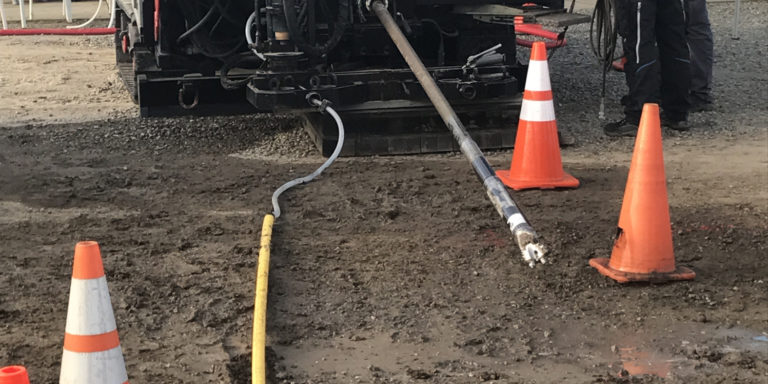
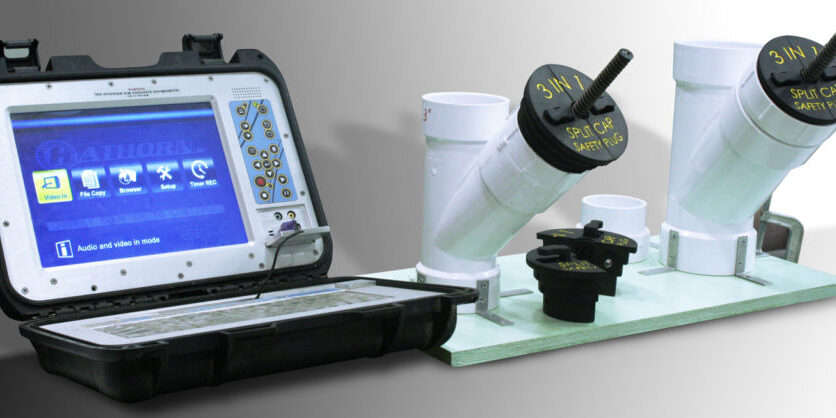
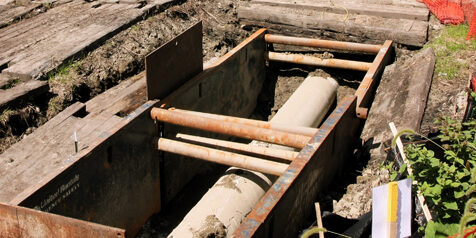
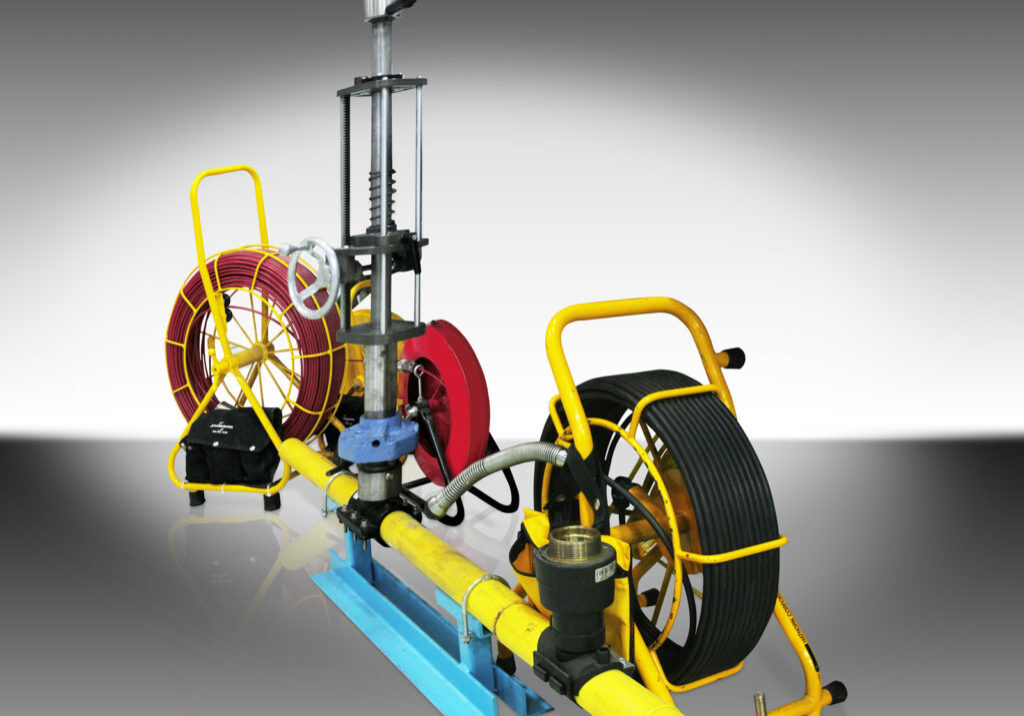
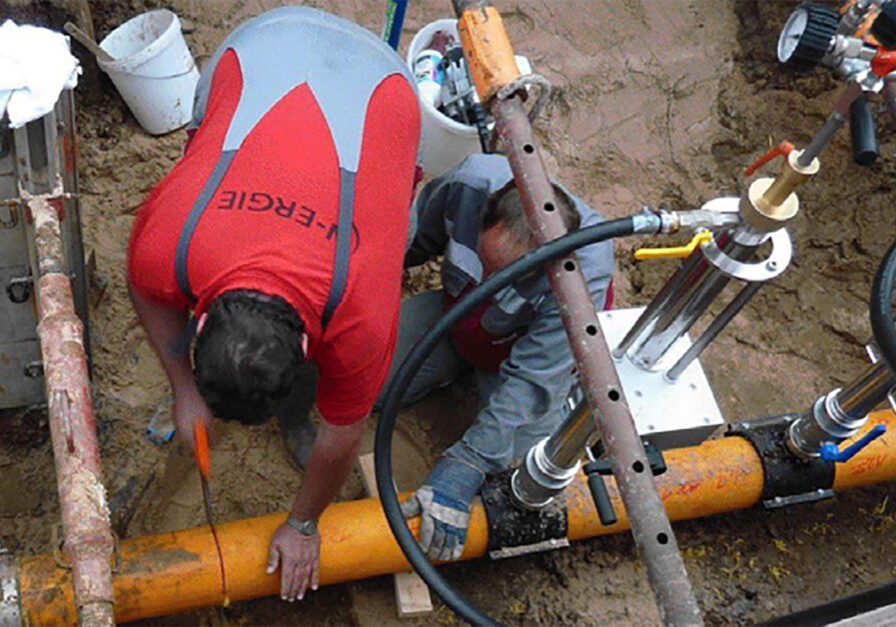
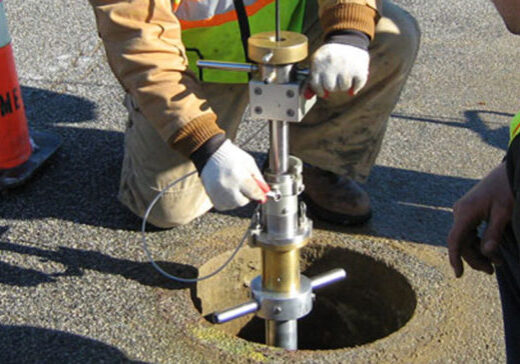
Ongoing initiatives are looking at ways to introduce plastics into new safety-related systems and enhancing heat fusion processes in order to reduce long-term system risk. We’re also developing unique approaches to lifetime prediction and plastic pipe system modeling. GTI is working on several projects that utilize dynamic testing methods for polymeric materials and is acquiring sophisticated new equipment that will ultimately provide more detailed material behavior models at less cost to the end users. Key Initiative Expanding the adoption of keyhole technologiesGTI is the industry’s source for the development, testing, and introduction of innovative keyhole technologies for utility system repairs and renovations. Excavation and restoration expenses cost U.S. natural gas companies more than $1 billion annually. GTI’s Keyhole Consortium—comprised of over 30 members from manufacturers and utilities—promotes the use of trenchless techniques that substantially decrease excavation and restoration costs while reducing public inconveniences and increasing safety. Some of GTI’s most significant keyhole developments include information on the establishment of keyhole standards, a keyhole pipeline inspection camera system, tooling database, and “how to” videos.
In 2007, the City of Toronto established the first comprehensive keyhole coring and reinstatement standard in North America, the result of keyhole activities by local utility Enbridge Gas Distribution, including several efforts with GTI.
In 2008, the Consortium’s activities included the creation of a technical reference guide to support the acceptance of coring and reinstatement procedures by local jurisdictions governing roadway repairs. Nicor Gas used this documentation, along with research analysis, to gain official approval for keyhole coring and reinstatement on state right-of-ways from the Illinois Department of Transportation (IDOT).
More recently, Maricopa Association of Governments (Phoenix and the surrounding area) implemented a keyhole coring and restoration construction standard. Key Initiative Improving construction and maintenance efficiency and reducing costsIn 2011, GTI completed a $4 million, 9-year research project to establish an unbiased, real-world basis for owners and operators to make informed decisions in selecting the most effective field-applied coating systems. A workshop that provides data on the coating performance is now being offered.
Brent Griffin, Coatings Engineer, Chevron Energy Technology Company, noted “…I believe there is tremendous value in the vast data acquired. I believe this information and testing has proven to be highly valuable in providing clear and concise material performance information, and shall be instituted immediately on our projects, and in our specifications.”
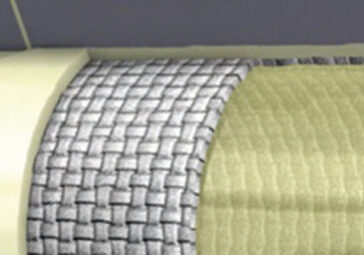
New products being brought to market are reducing operations and maintenance costs. The Metallic Joint Locator (MJL), developed by GTI, provides an easy way to locate cast-iron joints, chill rings in welded steel pipe, metallic tapping tees, metallic flanges, and metal repair clamps. In field tests, the MJL was also able to detect bell and spigot joints for an eight-inch-diameter water main buried at a depth of six feet. The technology is available through Sensit Technologies as Ultra-Trac MJL. Key Initiative Assisting with inspection and assessment of buried pipeBroadband Electromagnetic (BEM) technology offers a cost effective method for direct assessment evaluations through traditional excavations as well as keyhole openings. Researchers have developed a Full Encirclement Unit (FEU) using BEM sensors to measure wall loss on metal piping without the need to remove the coating. This new examination tool can enable internal and external corrosion investigations and perform precise defect location and mapping. The next step is to implement the BEM system to assist with pipeline inspections and assess risk on aging infrastructure.
Inspecting short pipeline segments in High-Consequence Areas (HCAs)—particularly un-piggable transmission lines and cased and uncased pipelines under railroads, highways, and small river crossings—is challenging and expensive. High-resolution magnetic flux leakage (MFL) technology has been used to detect, locate, and characterize metal loss in natural gas transmission pipelines since the 1970s for long distance pipelines and it continues to be considered the most advanced and reliable pipeline inspection technology.
Key Initiative Integrating natural gas into the smart energy grid A vision document, Natural Gas in a Smart Energy Future, sponsored by the American Gas Foundation, APGA Research Foundation, Canadian Gas Association, the INGAA Foundation Inc. and the Natural Gas Supply Association, was created by a GTI/Navigant Team in 2011. The report defines the ‘smart’ and ‘strategic’ roles of natural gas in a smart energy future and serves to ensure that natural gas is part of the conversation in policy and infrastructure planning discussions between industry, regulators and policy makers. It identifies key tools and steps—as well as a number of action items for both policymakers and the industry—that will make the energy system more reliable, safer and better able to manage peak demand.
GTI worked with the National Institute of Standards and Technology (NIST) to initiate the creation of the Gas Technology Working Group (GTWG), the first natural gas industry-related standards development group under the Smart Grid Interoperability Panel (SGIP).
Read More Key Initiative Providing the industry with an information resource for gas quality related issues and concernsGTI has established a Gas Quality Resource Center (GQRC) to provide a common understanding and knowledge base about gas quality and interchangeability issues. The GQRC provides information related to gas quality, analysis of current flowing gas supplies in North America, constituent trends across identified regions, analysis of current technical regulatory trends associated with pipeline tariff and identification of research needed to help fill information gaps ultimately aimed at maximizing supplies while balancing the needs of pipeline integrity and end use concerns.
The system is under development with an anticipated launch in early fourth quarter 2013. Modules will include information on pipeline tariffs, a FERC summary, gas quality profiles, a technical publication library, current research, research opportunities, gas quality analysis, a calculator toolbox, and gas quality management planning. Once the system is live, additional companies will be allowed access based on an annual subscription service.
|
|
Contact us: delivery@gastechnology.org
Column Two
ExpertiseData and Integrity Management
Infrastructure Rehabilitation and Improvements
Environmental Matters, Enabling Renewable Gas, and Gas Quality
Breakthrough Technology
Materials and Analytical Testing
Chemical Research Services
|